Founder

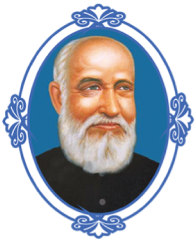
Father Augustus Muller S. J.
Our Founder
Fr Muller was sent to India from Venice as one of the 8 Jesuits to teach French and Mathematics in the newly opened St Aloysius College, in Mangalore. He was not only a product of Fordham University in USA, but also homoeopath, trained under two of the most eminent doctors in Paris. He even possessed the secrets of manufacturing quality homoe medicines. His name as a physician spread when he successfully treated students under a banyan tree in the College for a variety of ailments and soon elders too joined a long line of patients. The ‘Homoeopathic Poor Dispensary’ was born when he bought land in Kankanady to accommodate the growing number of patients. It is in Kankanady that his health care work earned him a reputation as a compassionate healer and the Kaiser-e-hind award from the Government of India.
The banyan tree became symbolic of his dedication to heal the poor and the downtrodden, for whom he opened many facilities in the Hospital. His endeavour of succor has blossomed today into a full-fledged post-graduate institute of medical education and research, both in allopathy and homoeopathy. Clinical facilities include a 1000 bed super-speciality hospital with a team of dedicated doctors, nurses and all supportive systems.
Fr Muller’s humane work for the leprosy patients began in 1883 when he was asked to try homoeopathy for the mother of two men who abandoned her to the care of the Jesuits. He took her to Kankanady and thus was born St. Joseph’s Leprosy Hospital. Fr. Muller tried homeopathy, and then allopathy. Thus allopathy and homeopathy came into coexistence at Kankanady. When Bubonic plague struck Mangalore, Fr. Muller opened a new section exclusively for these victims. He handpicked his assistants and one of them, Lawrence Fernandes, was sent by him to Madras to do LIM in Medicine. He returned with the degree to serve the hospital for 53 long years, till his death in 1936.
Surely Fr. Muller drew his strength from his compassion for the poor. As the hospital grew slowly, more and more qualified people came to help him, more buildings were added and Sisters of Charity showed interest. But compassion for the poor remained the cornerstone of his philosophy. Fr Muller worked relentlessly to bring succour to the poor and suffering. There were times when his superiors scolded him for his refusal to attend to the rich, his love for the poor was so great. He developed the hospital to include both homoeopathy and allopathy. The homoeopathic medicines he himself prepared brought adequate income to treat the poor free. Nearly 32 years with this work exhausted the frail health of this benign master. In 1910 he suffered complication in asthma. He died peacefully on November 1, 1910, on the day of the All Saints Day.
His mortal remains are buried in the Hospital Chapel, among the leprosy patients, the outcastes he loved and served for 32 years. He left behind on the slopes of Kankanady a legacy of love and compassion. So firm and strong is this legacy that his successors, as directors of Fr. Muller’s Charitable Institutions, have nurtured it assiduously, constantly upgrading hospital facilities, always keeping the poor at heart. Today 750 beds in the hospital are totally free for the poor.
About Dr. L. P. Fernandes (1928 – 1942)
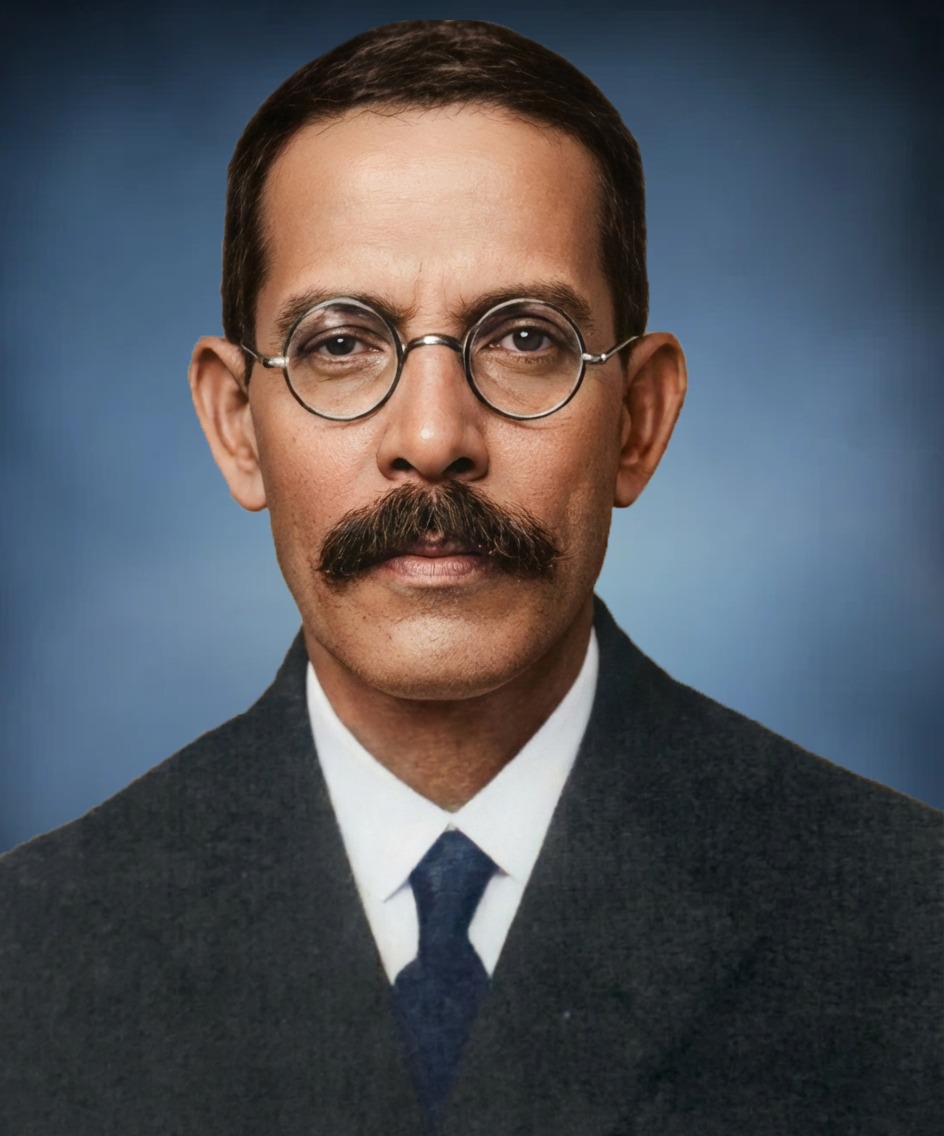
Dr. L. P. Fernandes (1928 – 1942)
Physician, Surgeon, Administrator, Humanitarian
Dr. Lawrence Patrick Fernandes was a pioneering medical professional and one of the most influential figures in the early growth of Father Muller’s Hospital, Kankanady, Mangaluru. Closely associated with Rev. Fr. Augustus Muller SJ, the founder, Dr. Fernandes played a decisive role in transforming the institution from a modest charitable dispensary into a well-organised hospital serving the poor and the sick across caste and creed.
After completing his B.A. at St. Aloysius College, Mangaluru, Dr. Fernandes served as Fr. Muller’s personal assistant. Recognising his potential, Fr. Muller deputed him to Grant Medical College, Bombay, where he obtained the L.M. & S. degree (Licentiate in Medicine & Surgery). On his return, Dr. Fernandes devoted his entire professional life to Father Muller’s Hospital, serving for over four decades as its Chief Medical Officer until his death in 1946.
In an era before antibiotics, he was known for his meticulous surgical practices, especially in treating leprosy and infectious diseases, and for his deep compassion towards the marginalised. His leadership ensured continuity, clinical credibility, and institutional expansion during a critical formative period of the hospital’s history.
Beyond medicine, Dr. Fernandes was a respected civic and community leader. He served as Vice-Chairman of the Mangalore Municipality, President of the Catholic Bank, President of the Catholic Cooperative Society, and for many years as Vice-President and Editor of the Catholic Association of South Kanara (CASK).
His humanitarian service earned wide recognition, including the Pro Ecclesia et Pontifice (1917), the Kaiser-i-Hind Medal (1927), Delhi Durbar honours (1910), and Silver Jubilee and Coronation Medals. Notably, Pope Pius X, during a private audience in 1905, explicitly acknowledged Dr. Fernandes’ contribution alongside Fr. Muller in the founding and sustenance of hospitals for leprosy patients and the poor, describing the work as “truly grand and charitable.”
Dr. L. P. Fernandes remained unmarried and dedicated his life entirely to service, leaving behind no direct descendants but an enduring legacy in healthcare, charity, and public life. His contribution stands as a foundational pillar in the history of Father Muller’s institutions and deserves recognition commensurate with his lifelong commitment.


