Father Muller Charitable Institutions
Father Muller Homoeopathic Medical College
(Accredited by NABH, NABL)
News

Visit to Regional Forensic Science Laboratory (RFSL)
Jan 28, 2026
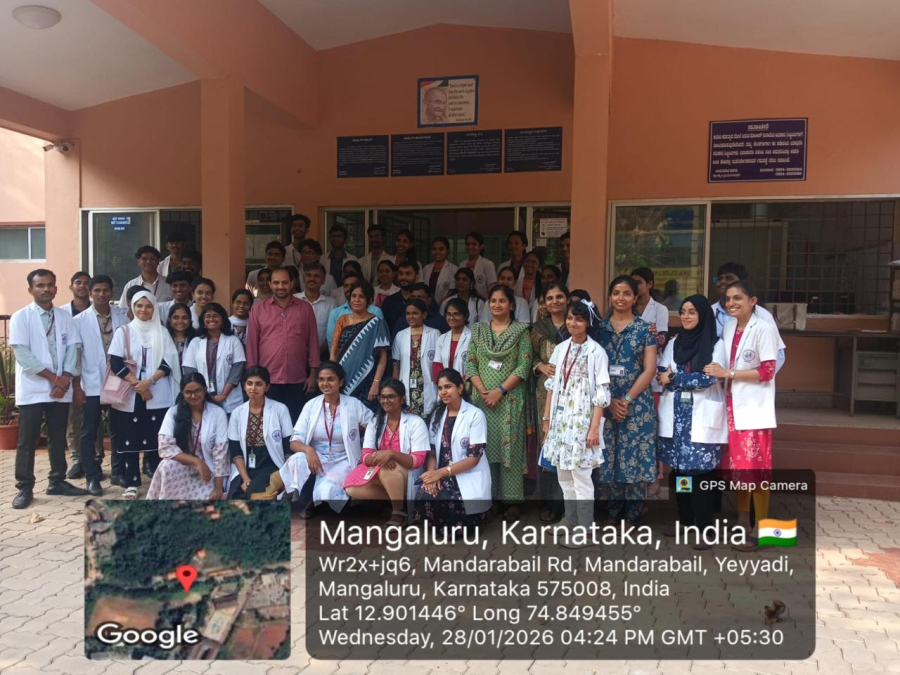
The Department of Forensic Medicine & Toxicology of Father Muller Homoeopathic Medical College, Mangaluru, organized an educational visit to the Regional Forensic Science Laboratory (RFSL) on 28 January 2026 for the Second BHMS students.
A total of 49 students took part in this academic exposure visit, accompanied and supervised by faculty members Dr Indu O S (Hod, Department of FMT), and Assistant professors, Dr S Sujatha and Dr Harshitha Neyyalga respectively from the Department of FMT. The purpose of the RFSL visit was to provide students with firsthand knowledge of forensic laboratory functioning, evidence handling, scientific analysis, and the role of forensic experts in medico-legal investigations. The visit was planned to complement their theoretical learning and strengthen their understanding of practical forensic procedures.
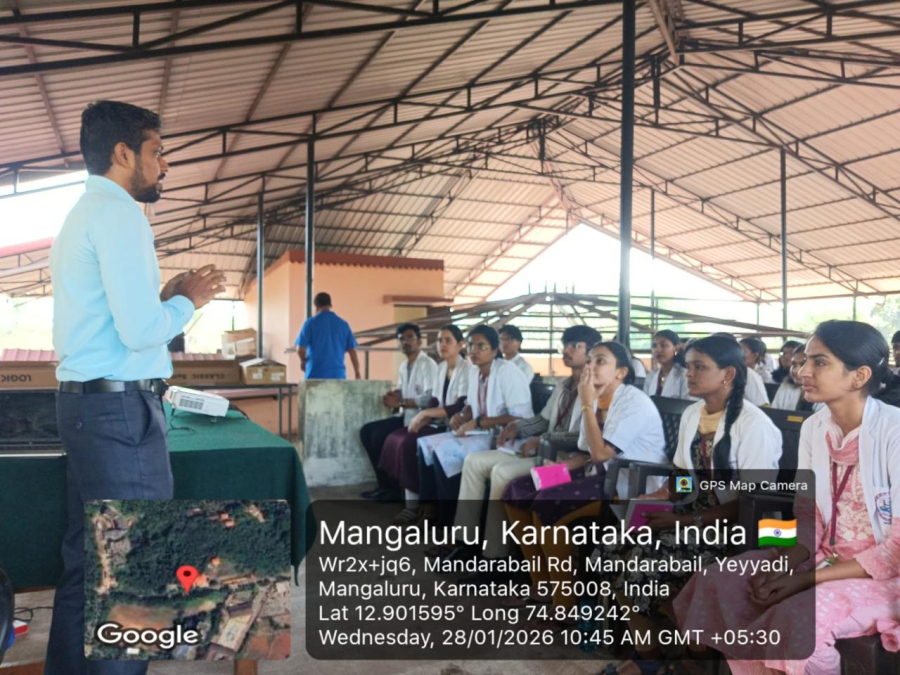
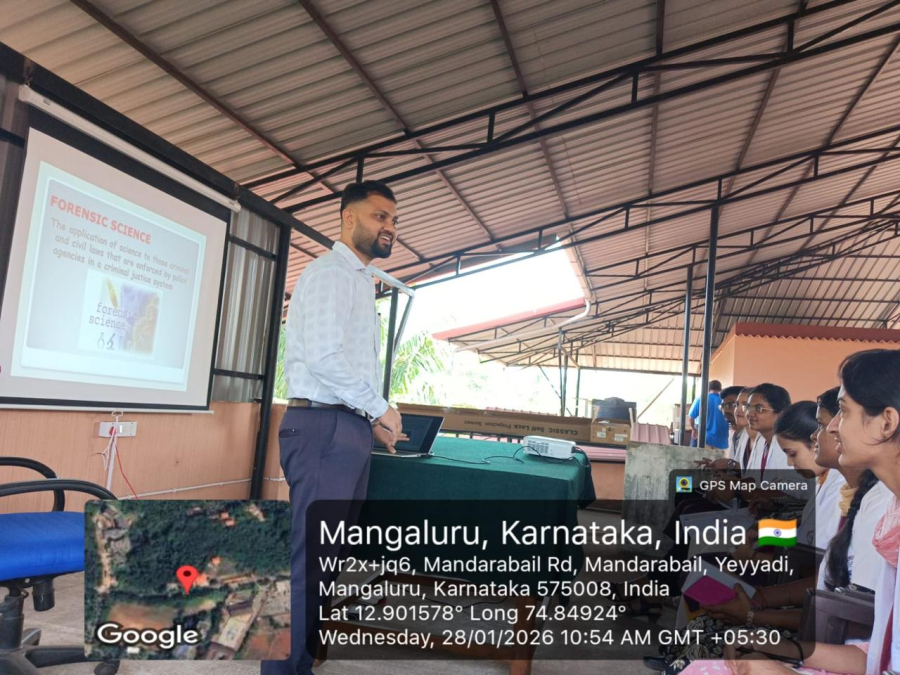
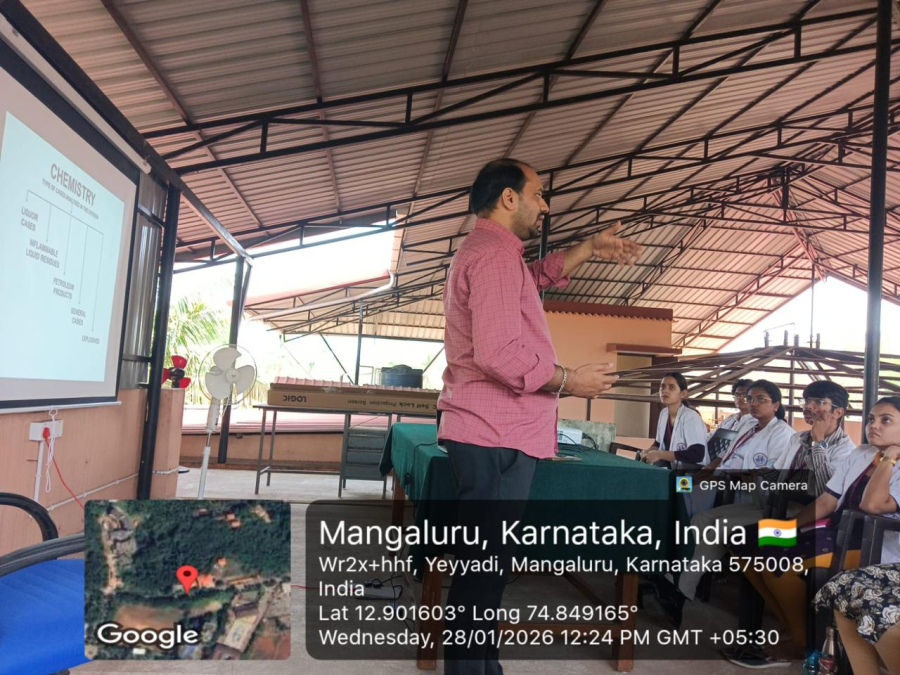
The students were oriented to the layout and purpose of the RFSL visit by Dr Prasad Kumar, Scientific officer from department of Questioned Documents. Initially there was theoretical sessions by various officers with respect to different departments. Followed by that, students were divided into smaller groups to facilitate systematic observation of various divisions within the forensic laboratory. Under the guidance of faculty members and laboratory officers, the students were introduced to different units such as Biological Sciences, Questioned Documents, Chemical Sciences, Toxicology, and Psychology divisions. Each section demonstrated its specific analytical procedures, instruments, and methods used in crime investigation.
Students observed demonstrations related to evidence examination, chain of custody maintenance, document authentication, chemical testing, toxicological analysis, and the scientific principles involved in forensic decision-making. The officers explained how forensic reports are generated and how they support the judiciary in solving criminal cases.
The structured timetable provided by the RFSL ensured that every group received adequate time in each division. The visit schedule included both theory orientation and practical observation sessions, which allowed students to interact with experts, clarify doubts, and understand real-time laboratory challenges.
The visit proved to be highly educational and insightful. Students appreciated the opportunity to see the functioning of an actual forensic laboratory and expressed that the practical exposure significantly enhanced their comprehension of forensic methodologies. The experience also strengthened their interest in medico-legal work and helped them relate classroom knowledge to professional forensic applications. The visit concluded by 4.30pm.